
Genus/species
Genus/species explores the role that naming, labeling and language plays in our lives, cultures and identities.
There has always been a dark side to applying language and labels to people, assigning stigma and judgement, and even attempting to dehumanize individuals, groups and entire cultures. But language can also be empowering, as we see when people reclaim words once used against them, and as the freedom to proudly self-identify outside of cis-hetero expectations became more possible for some, while remaining dangerous or impossible for others.
When my daughters were young, I told them that we fall in love with people who feel special to us, irrespective of gender or anything else. This made intuitive sense to them as children. But outside our front door, almost all external forces push against this: Millenia of patriarchy, religion, misogyny, racism, sexism, homophobia, cis and heteronormativity, colonialism, capitalism, xenophobia - everything that surrounds us tries to control, to manage, to define and to divide us, in service to systems that seek to exploit, not to nurture.
For decades, I was too busy treading water to think much about outwardly labeling or defining myself. It was done for me (and for many women) in relation to others, and with the assumption that I conformed to what was expected of me: daughter, mother, sister, (for a time) wife. Until one day in my 40’s, when someone labeled my ‘cis, straight perspective’, and it landed like a slap. That was the day this project was born.
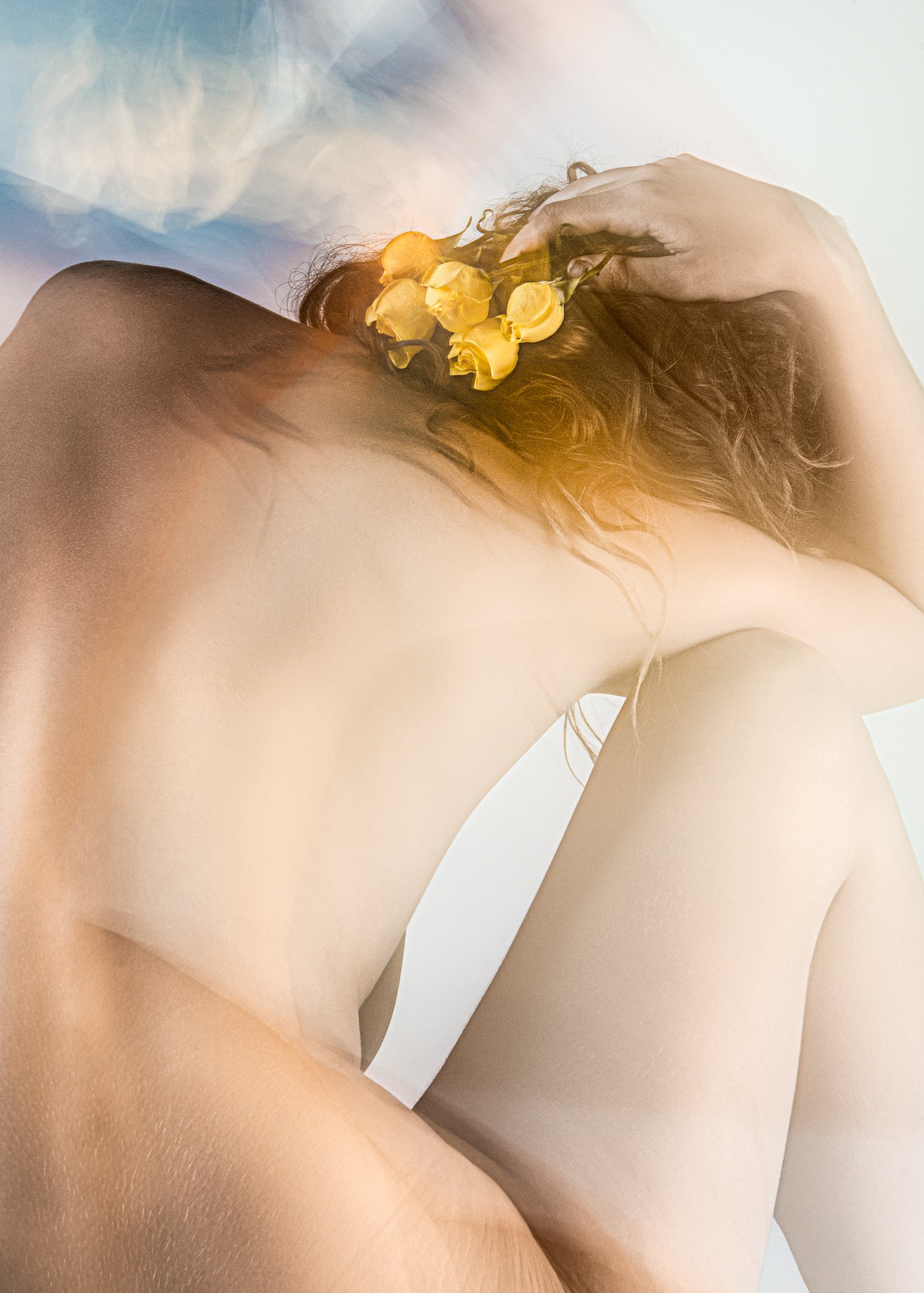
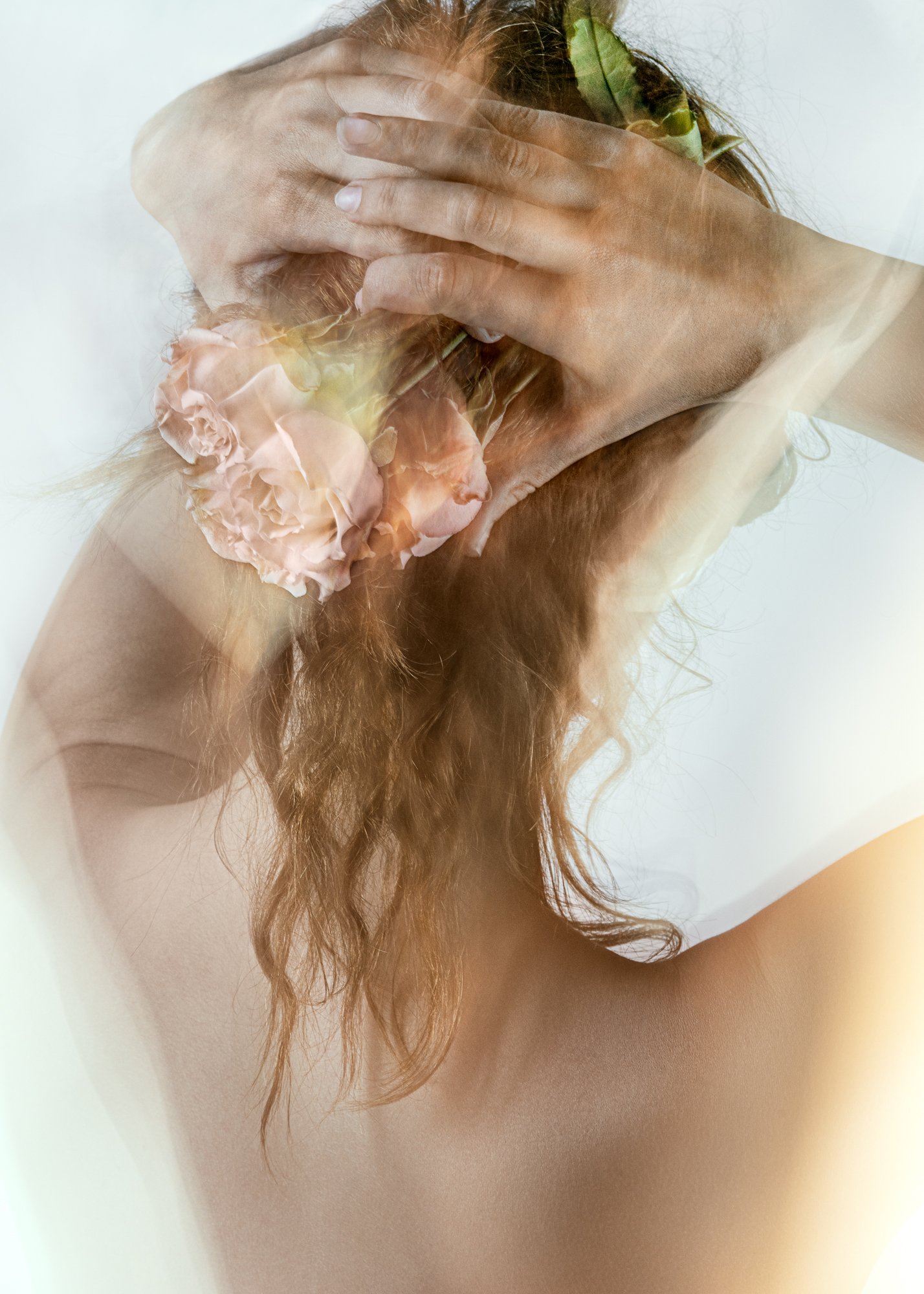
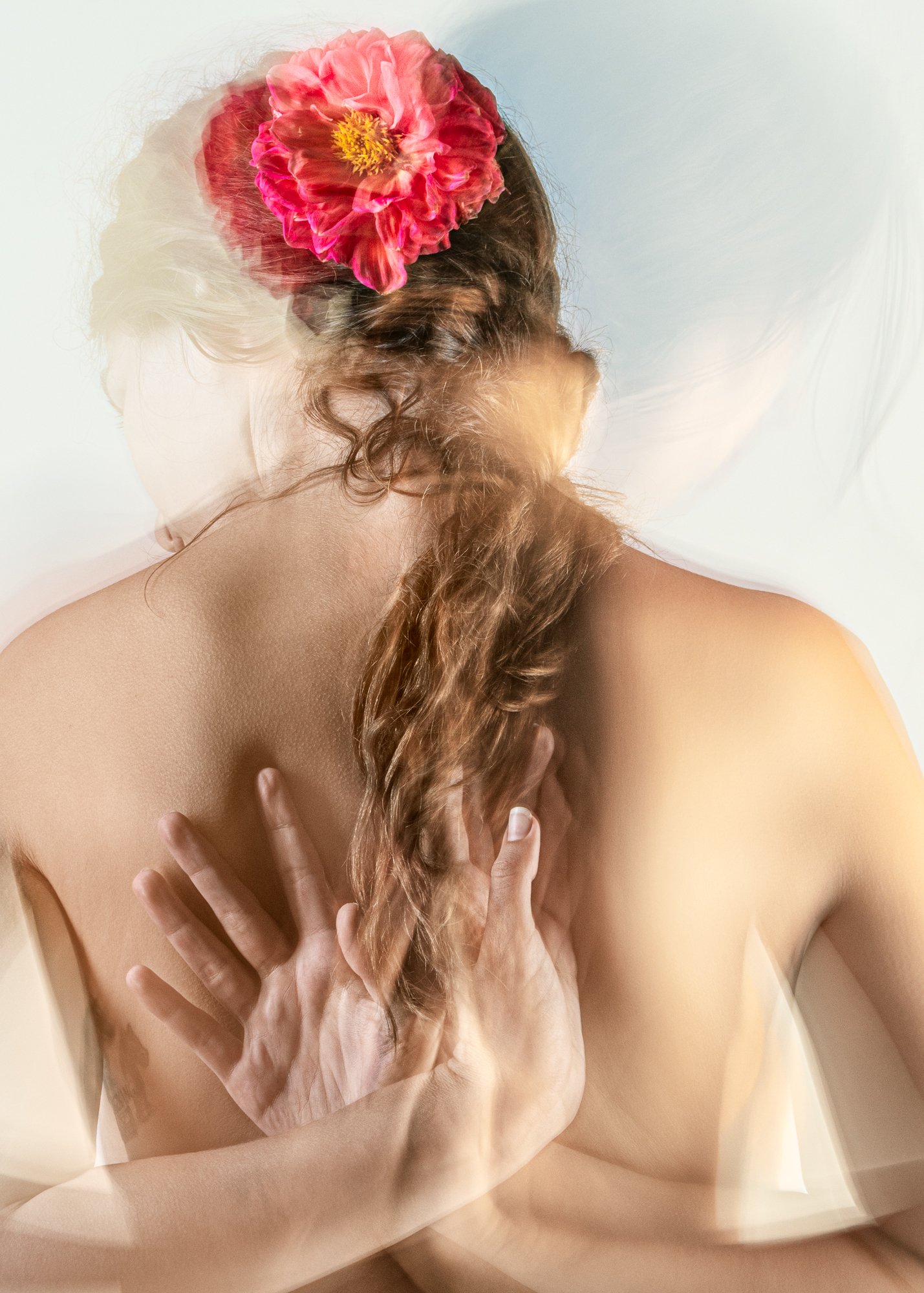
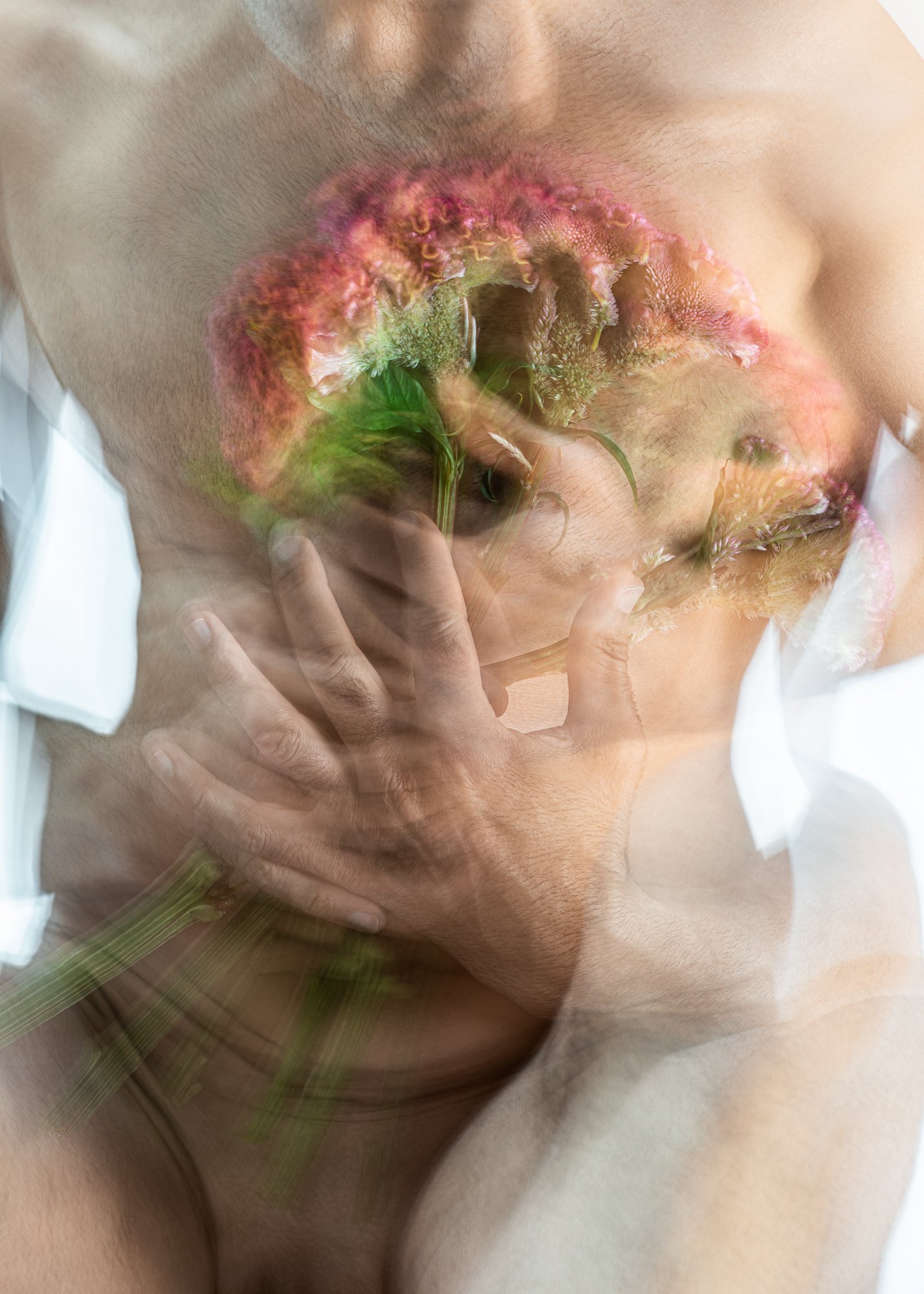
The titles in this series are the taxonomic names of the flowers the models hold, harkening back to botanical illustrations and Linnaean classification, intentionally refusing to name or apply labels to the person in the frame. The figure remains untouched by our assumptions, or the rigid binaries that I believe would fit very few of us, if we had all been taught only that we would fall in love with people.
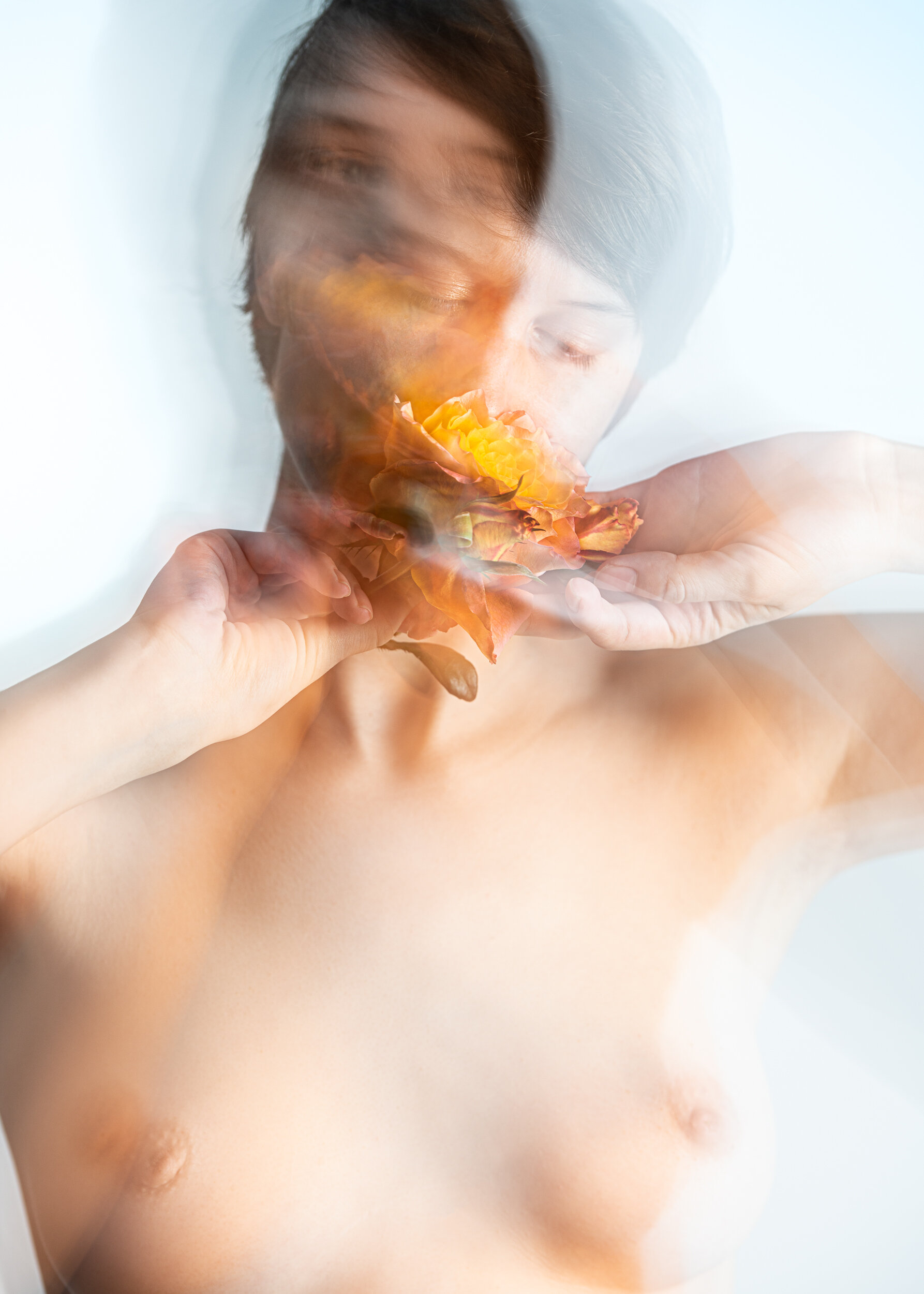
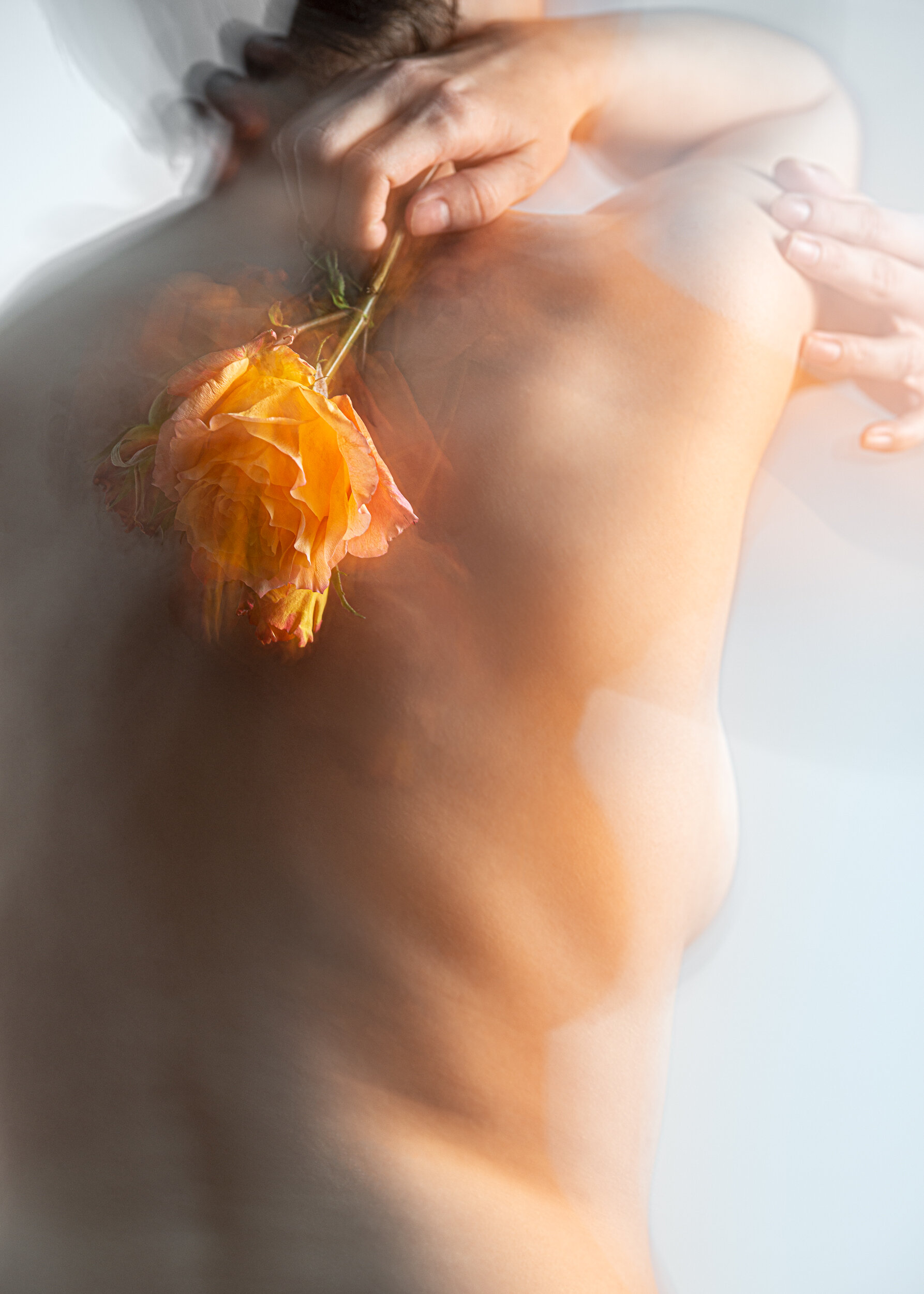
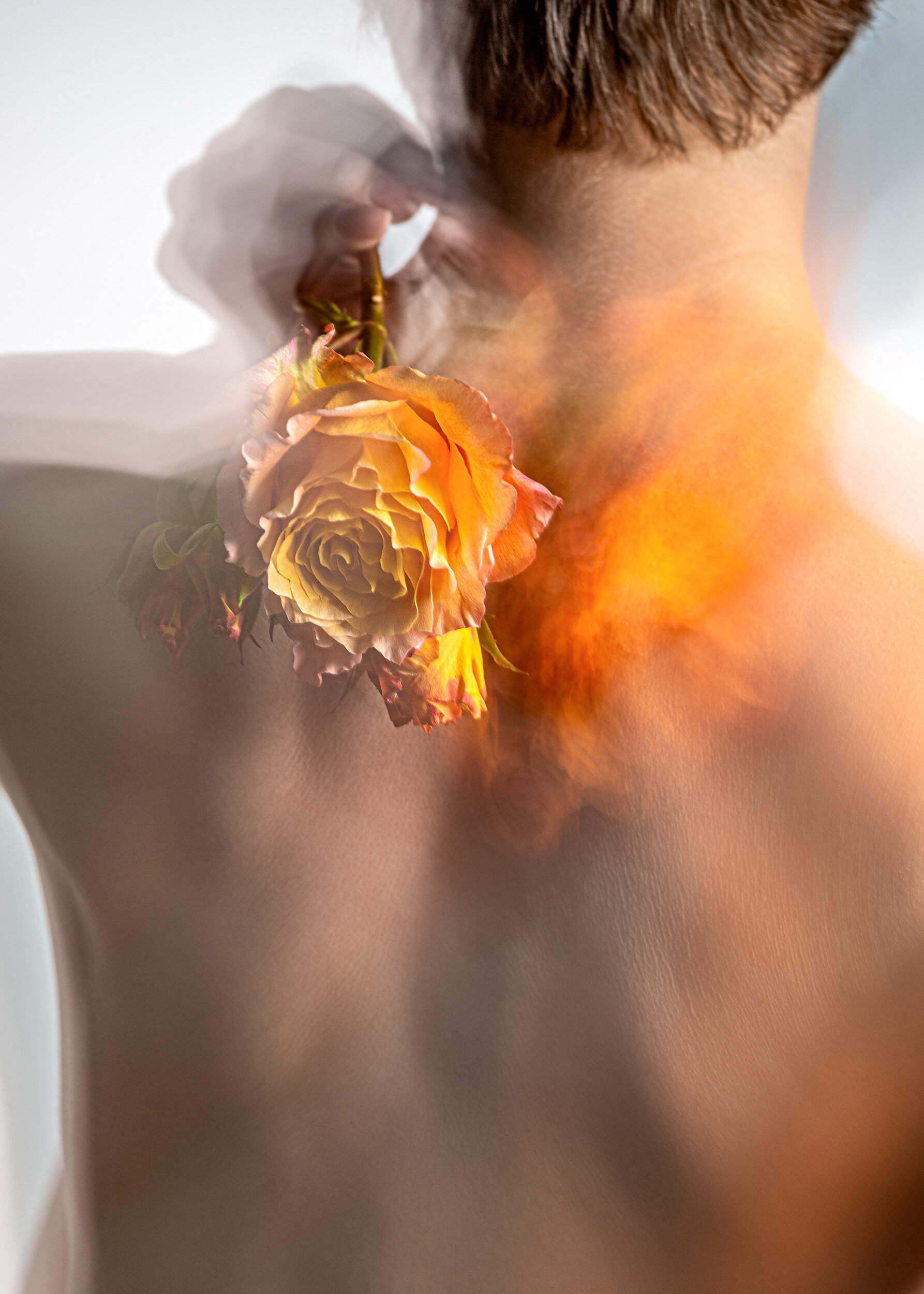
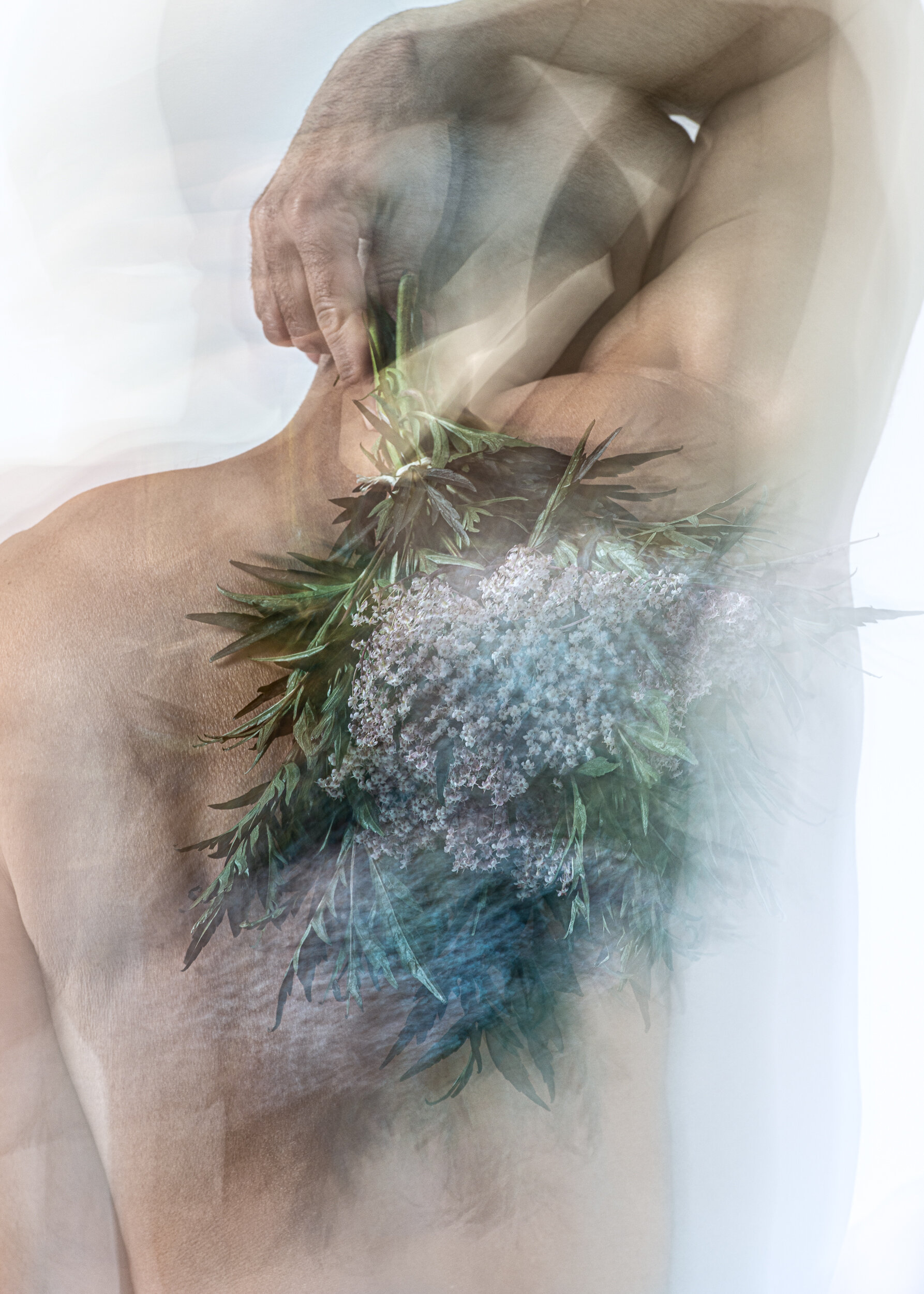
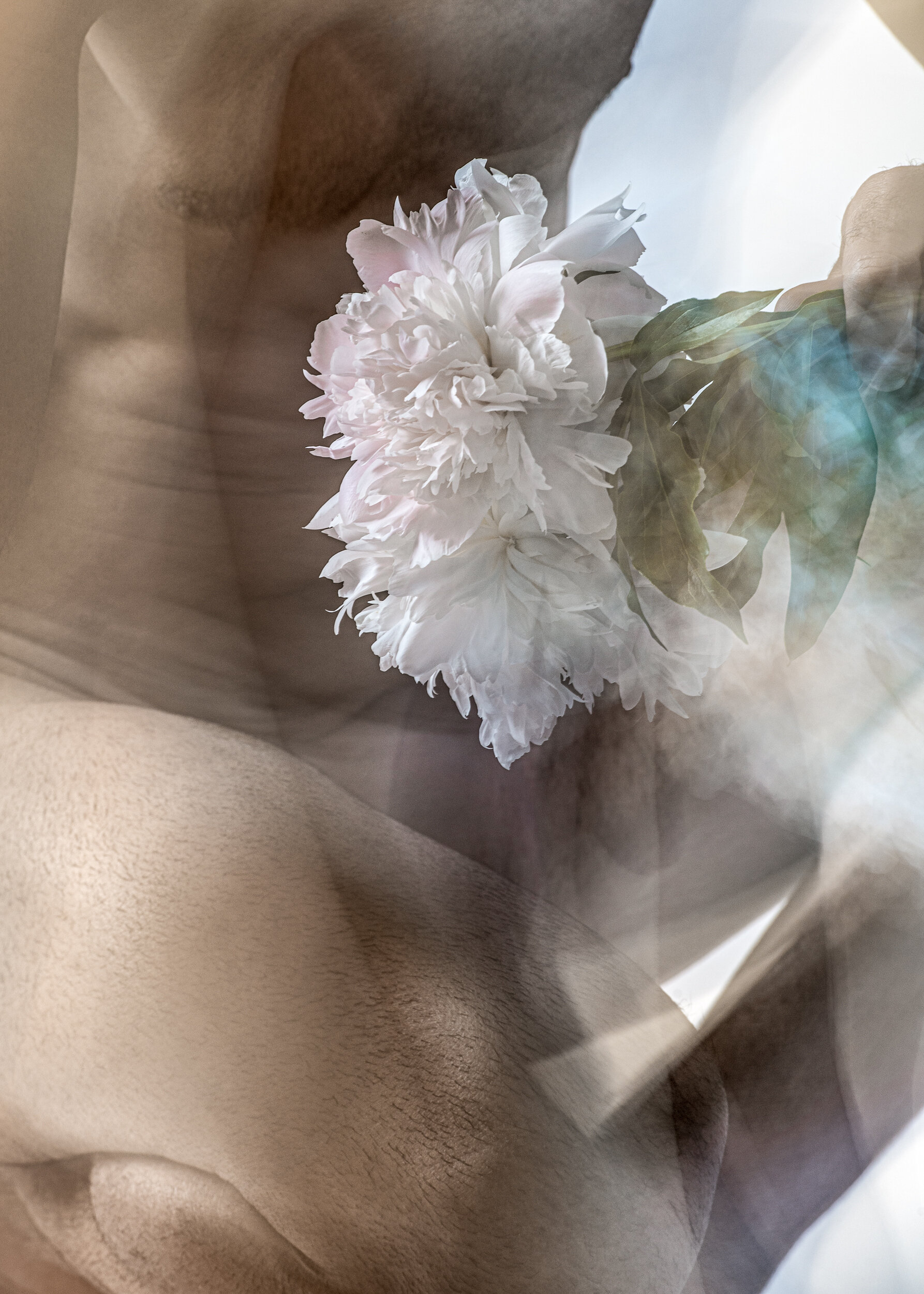
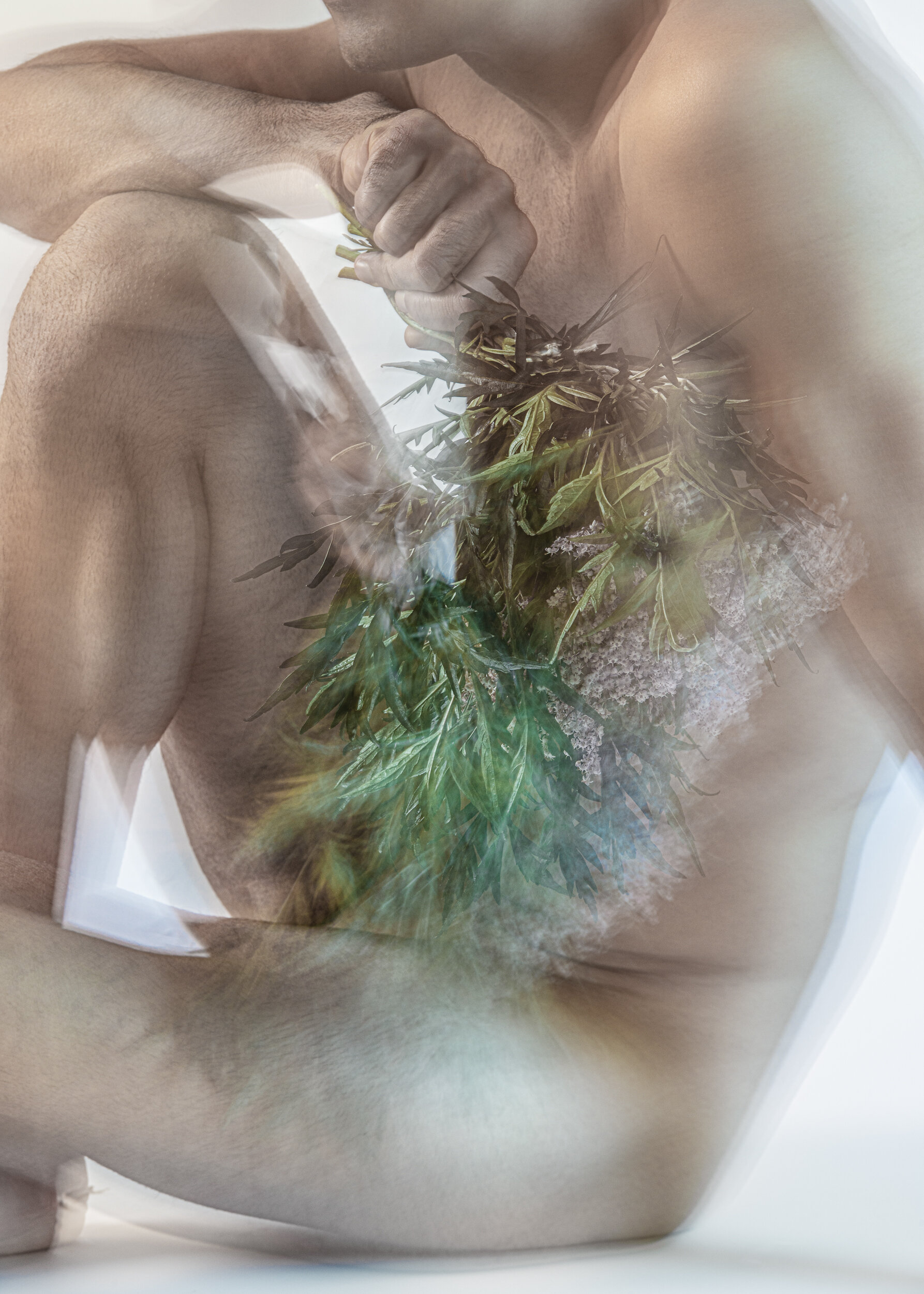
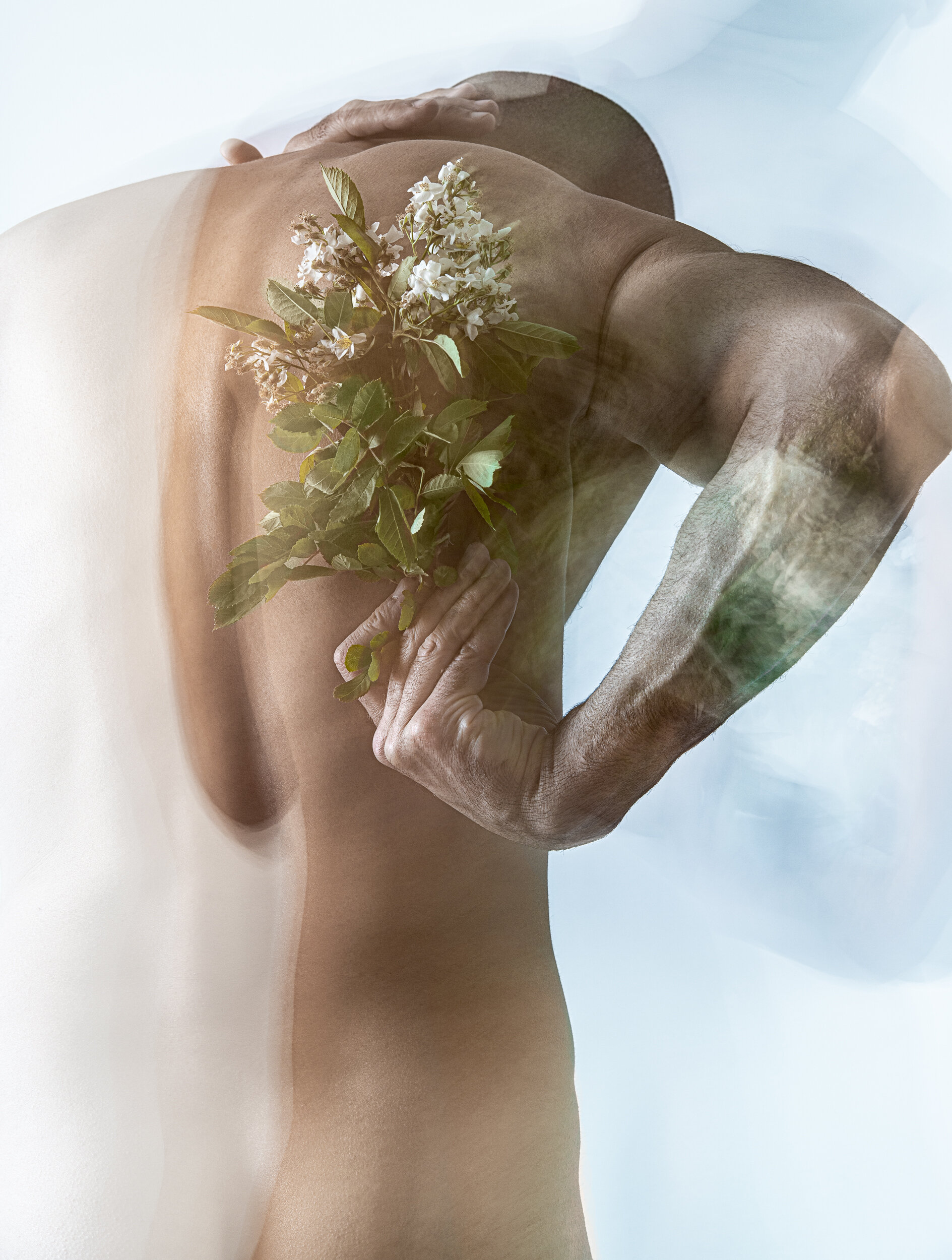
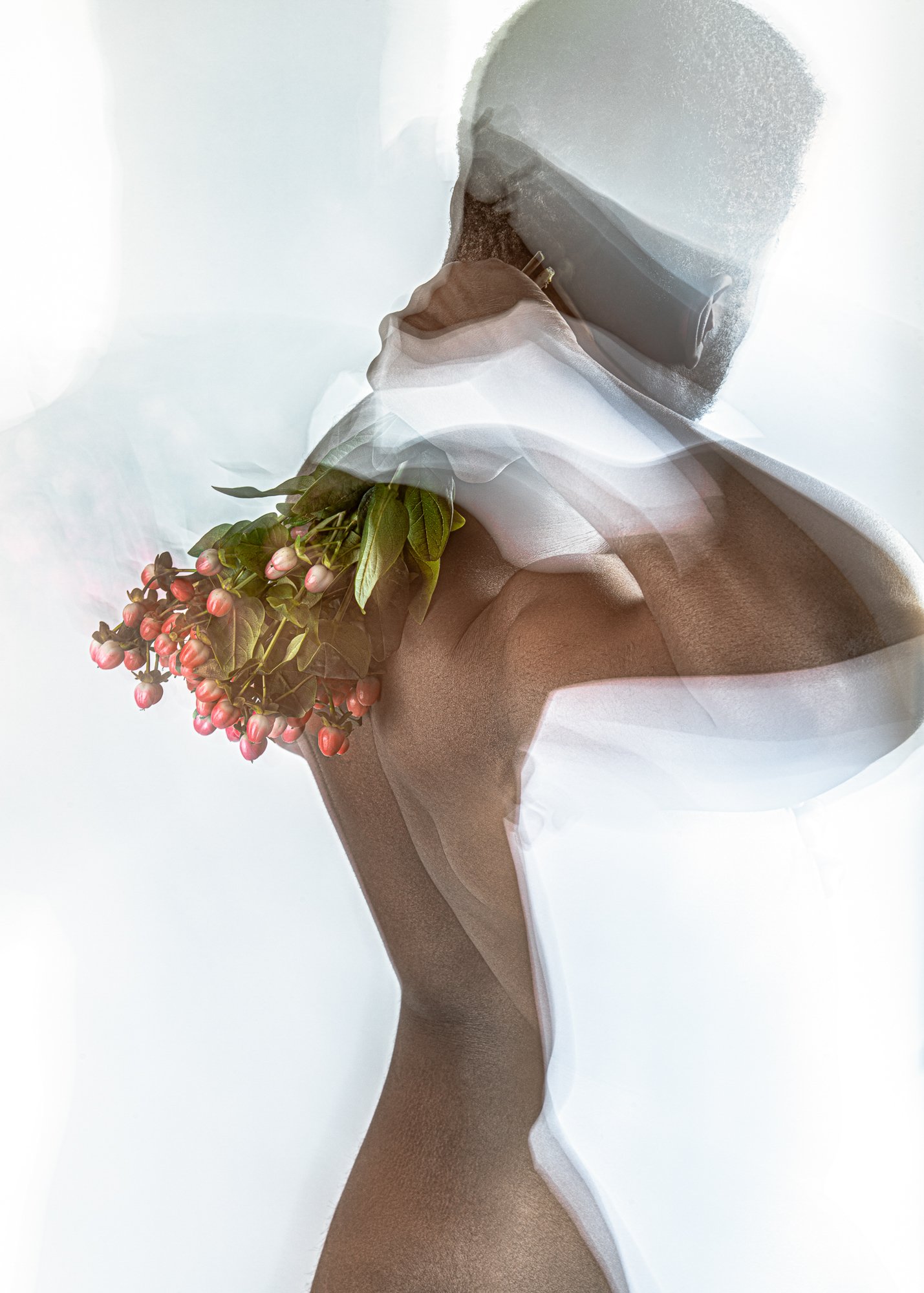
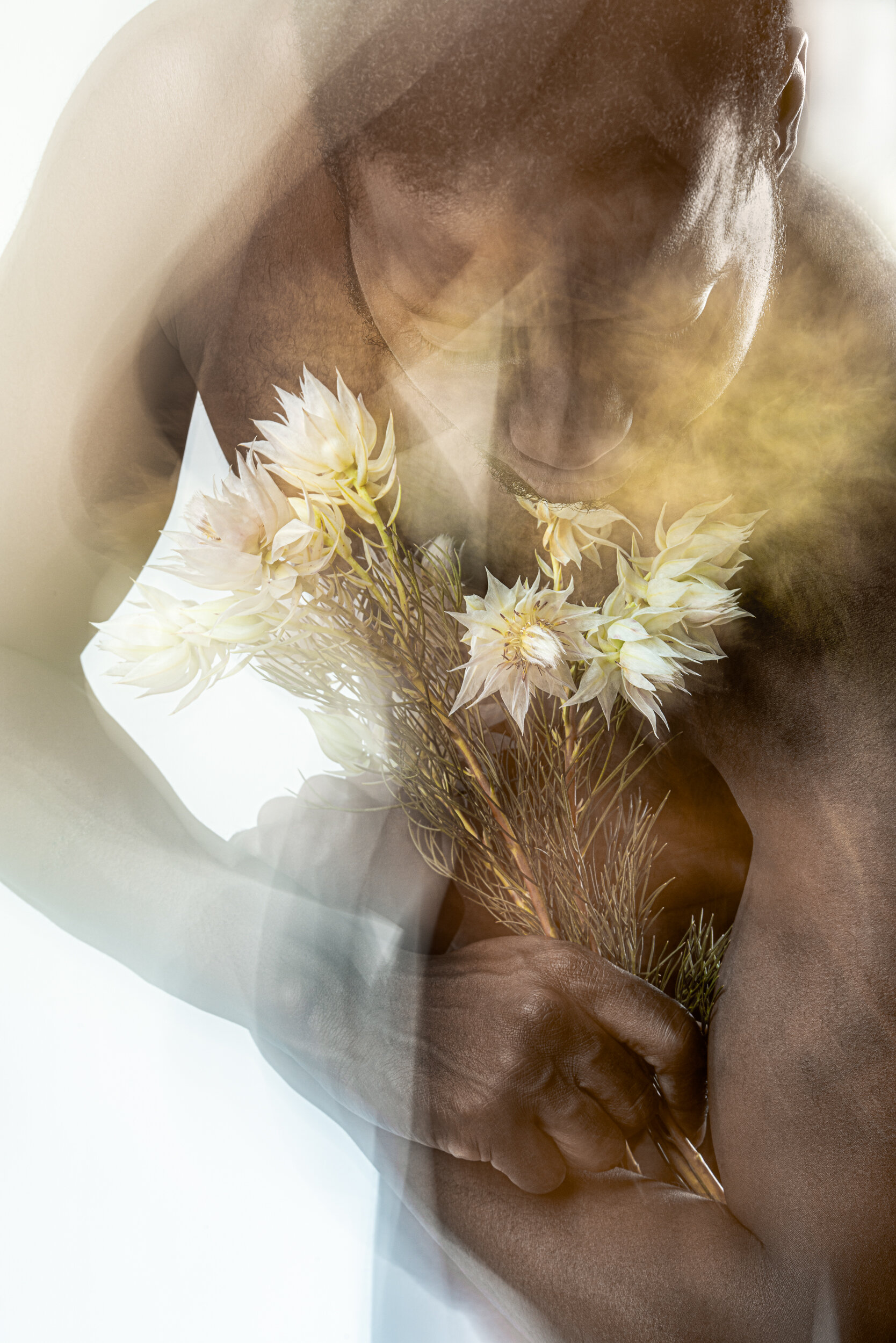
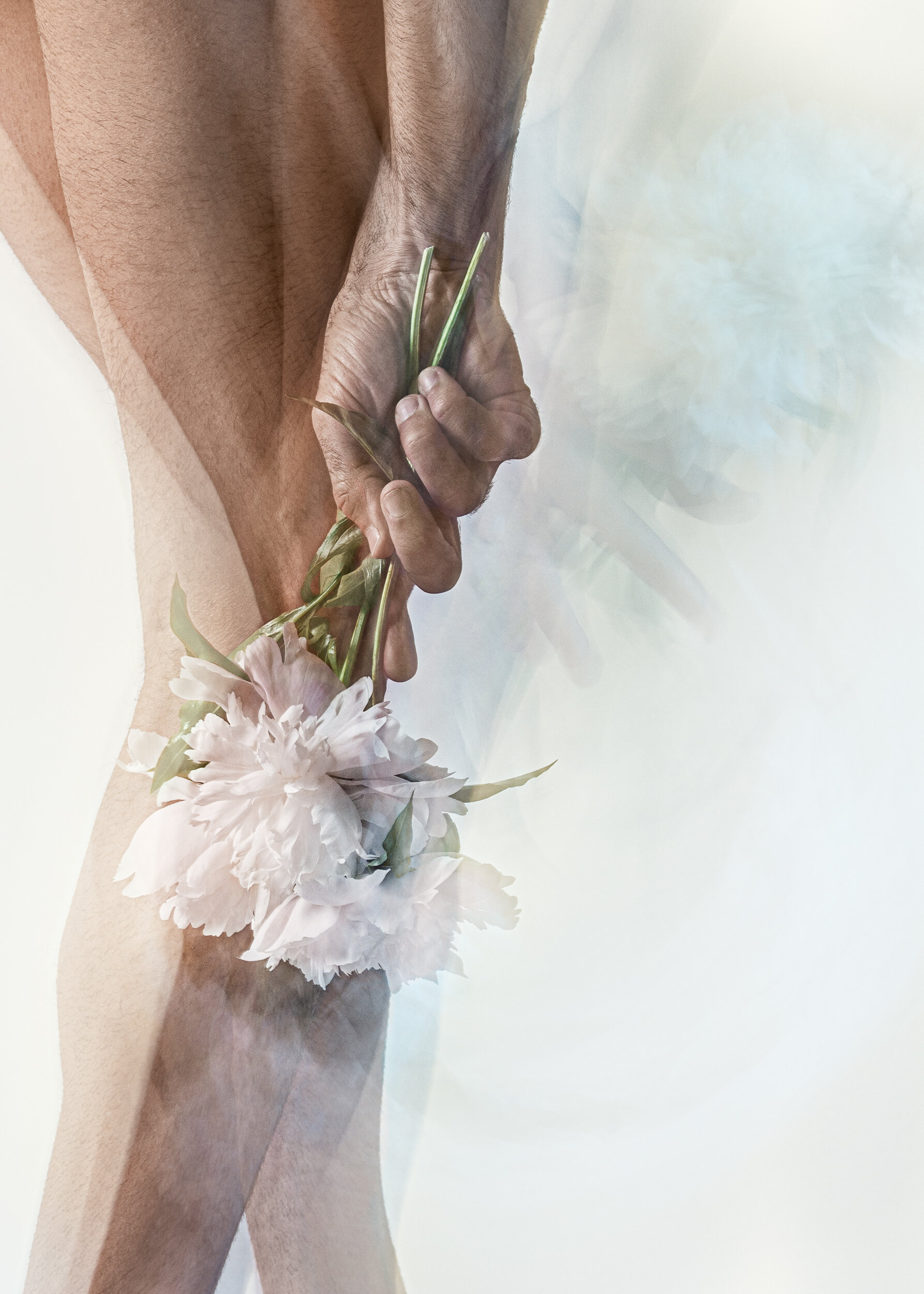
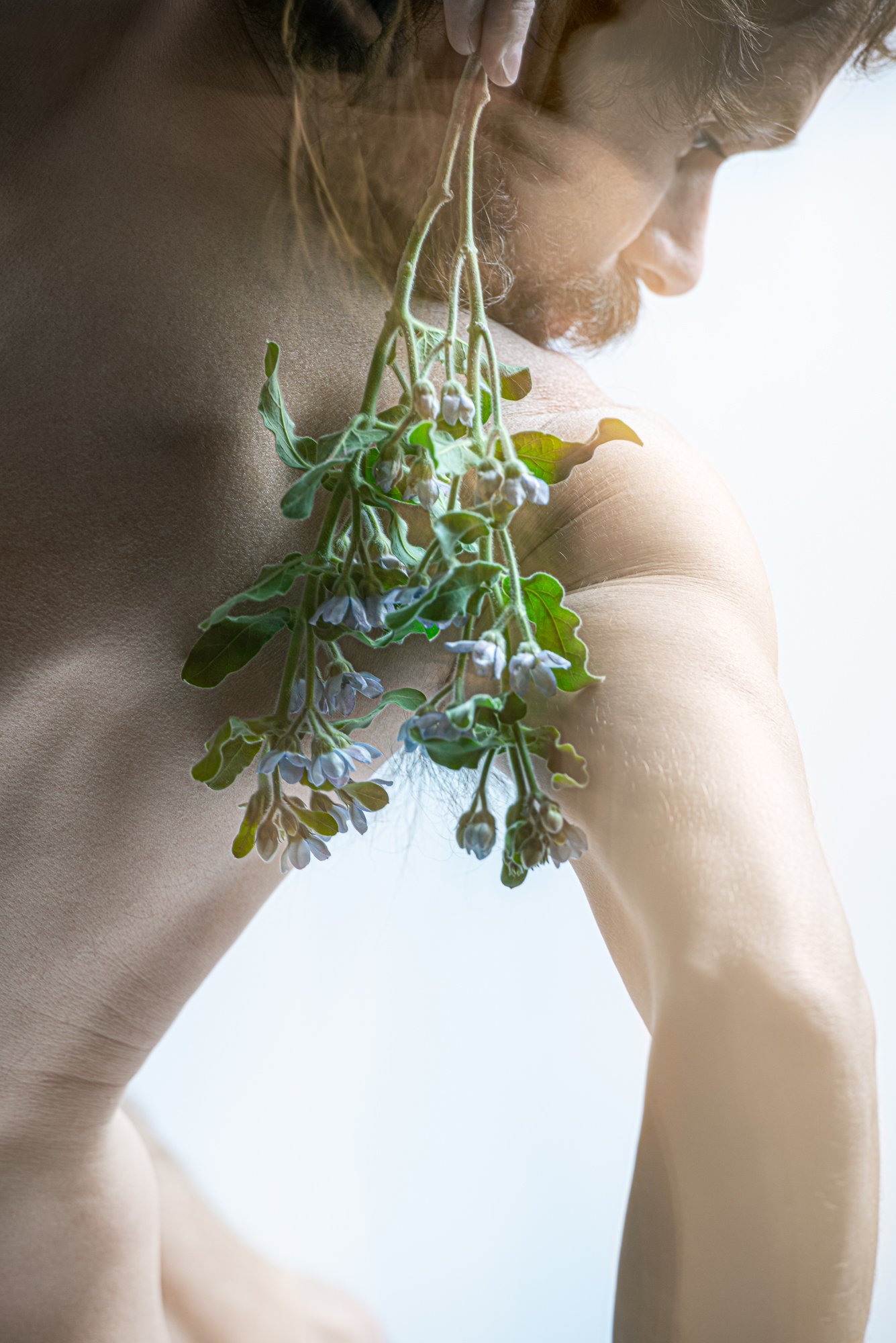
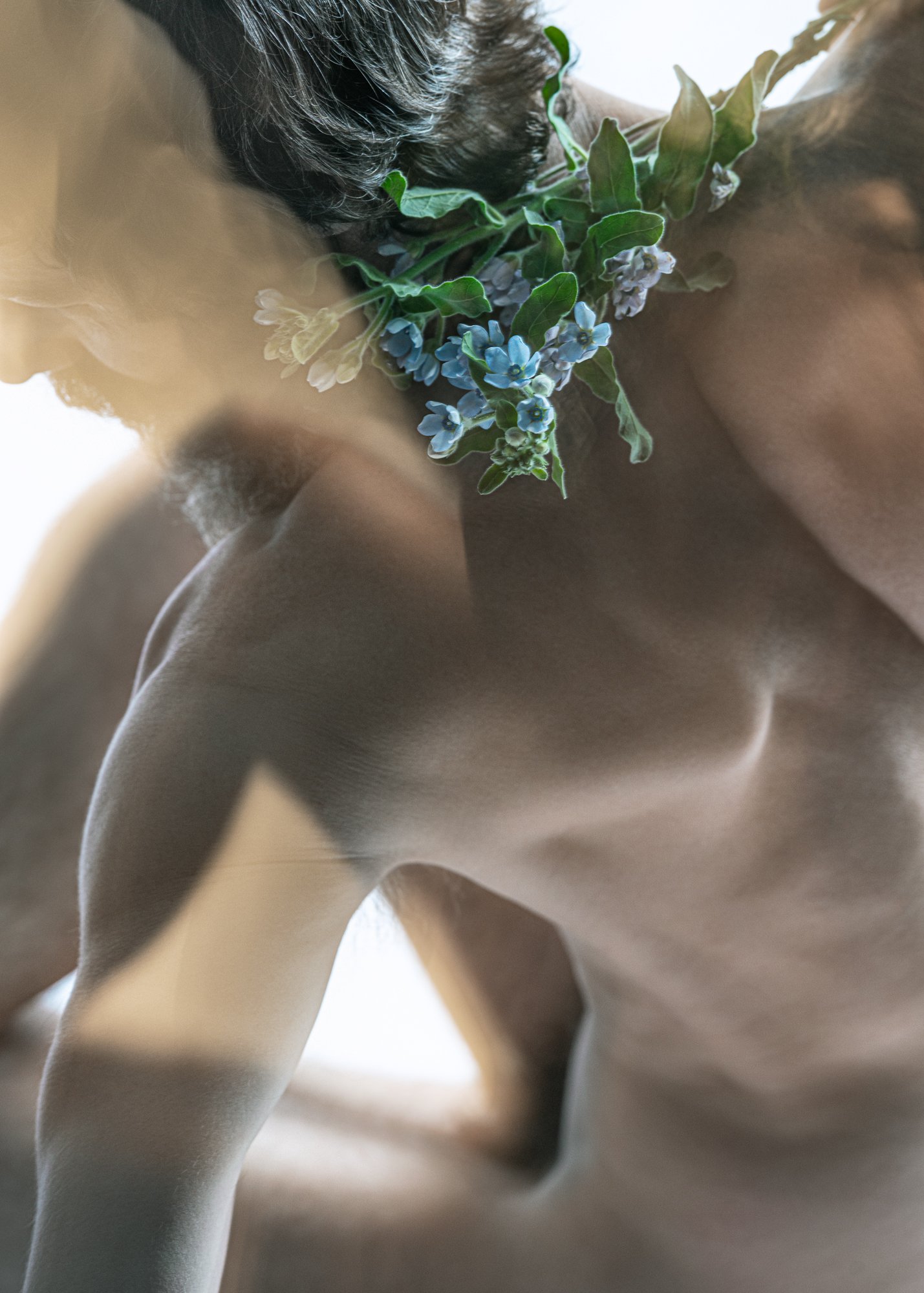
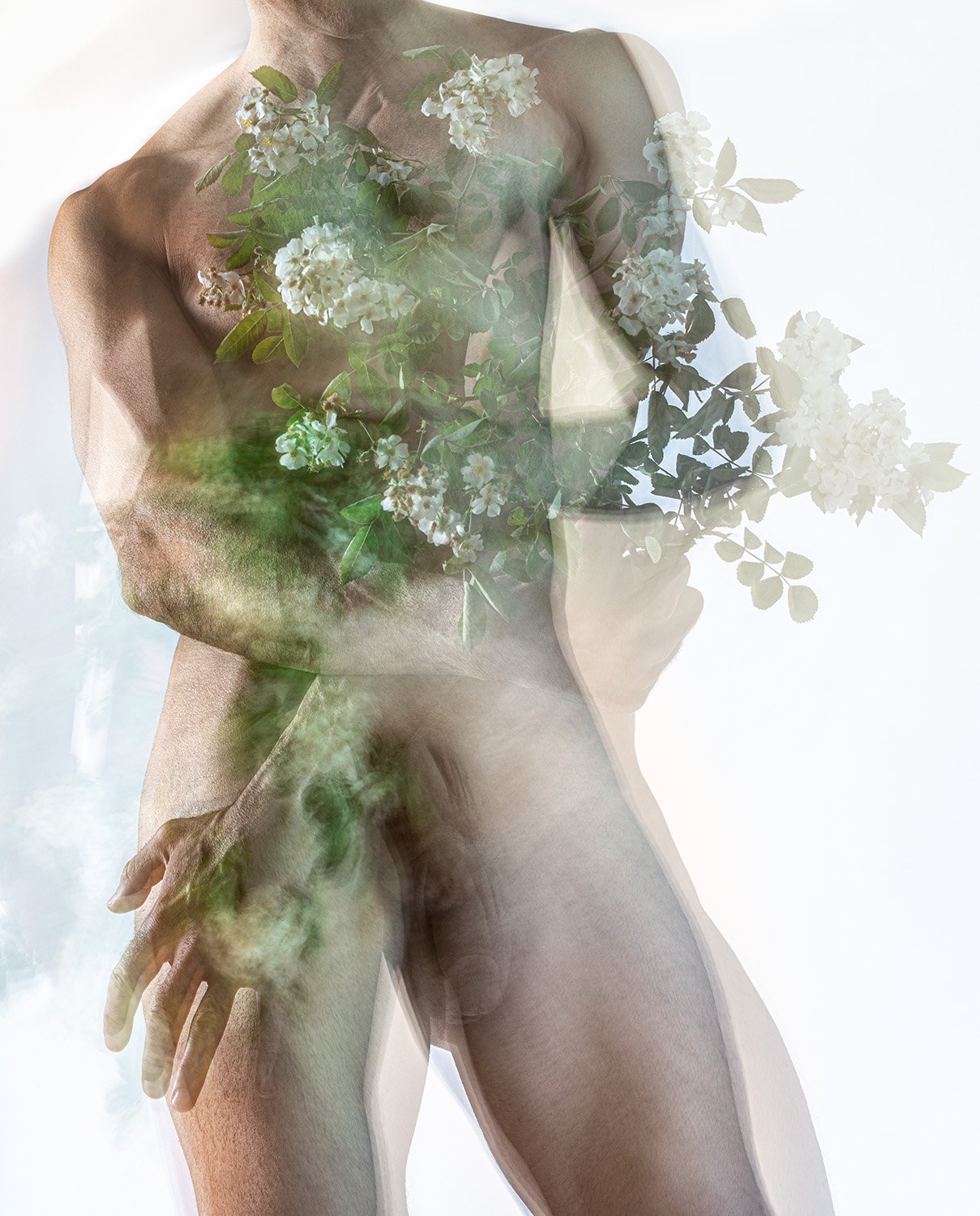
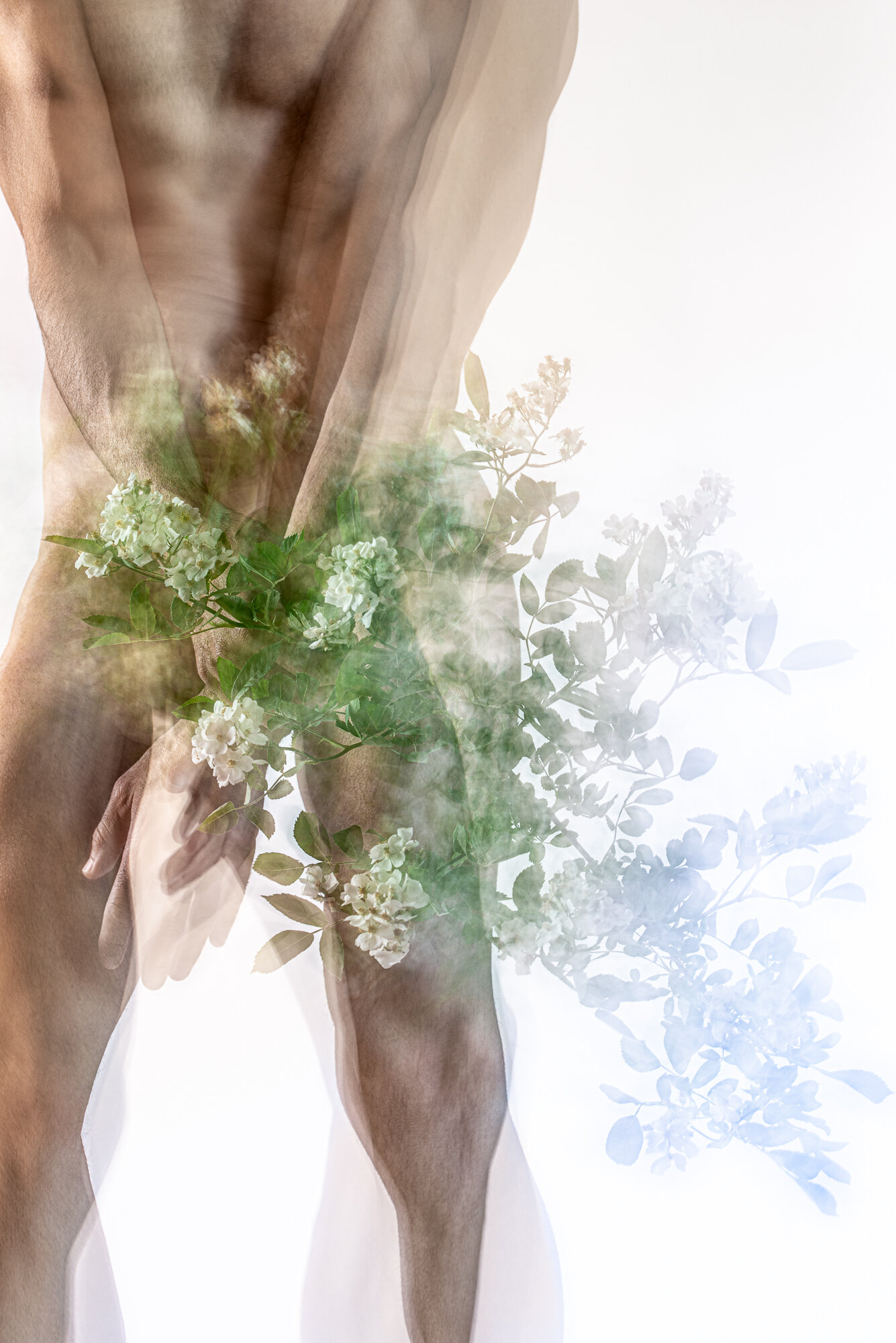
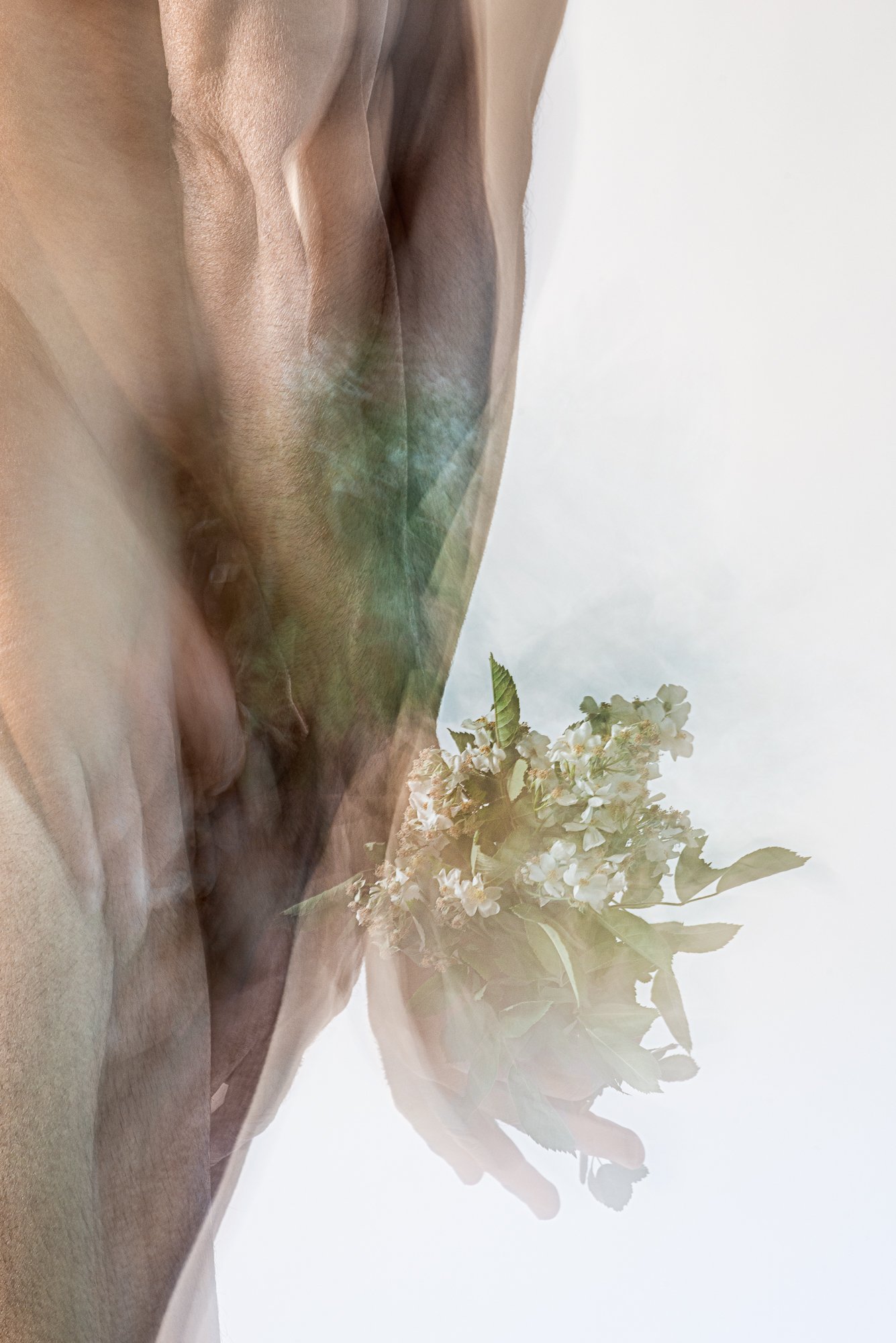
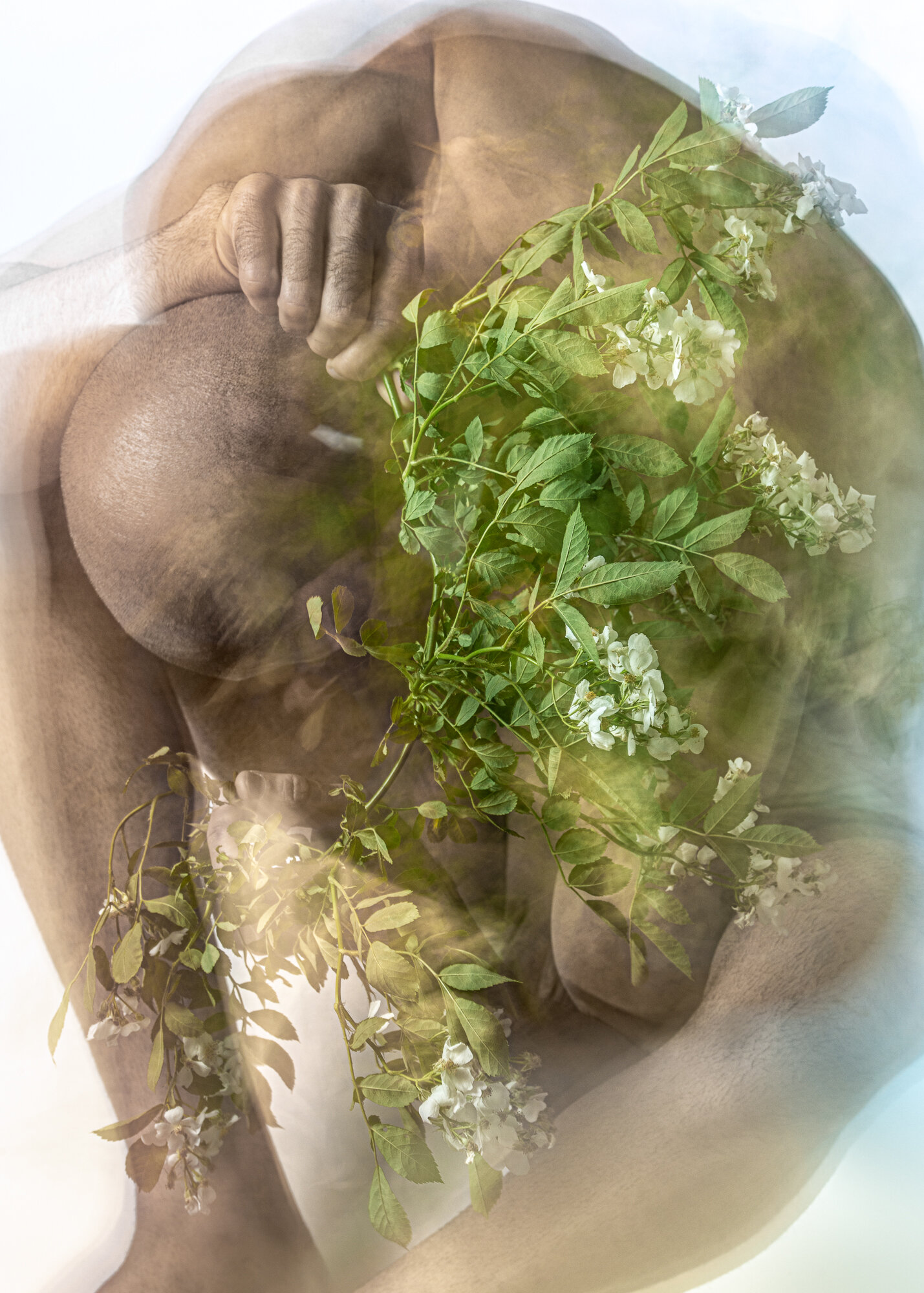
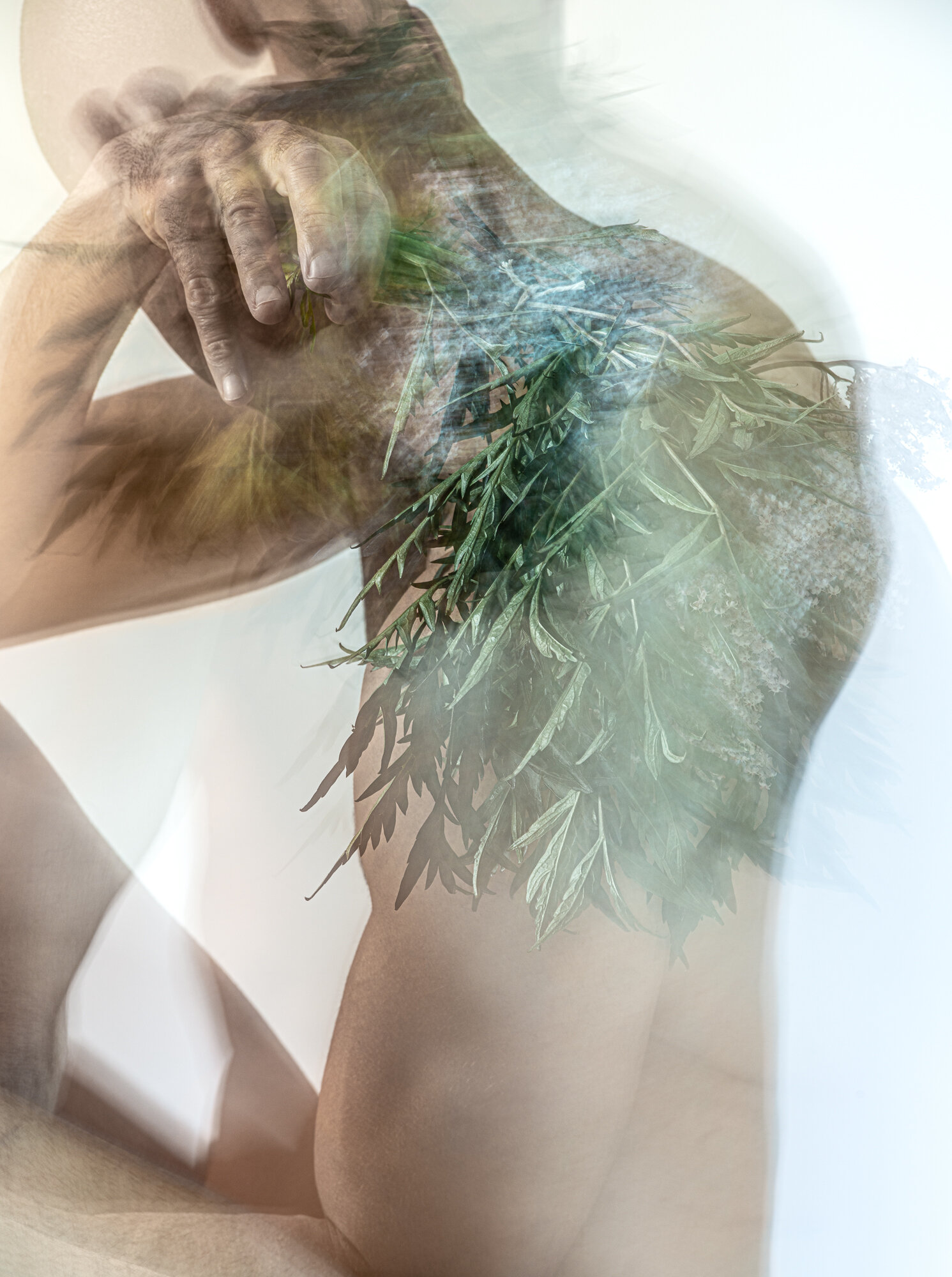
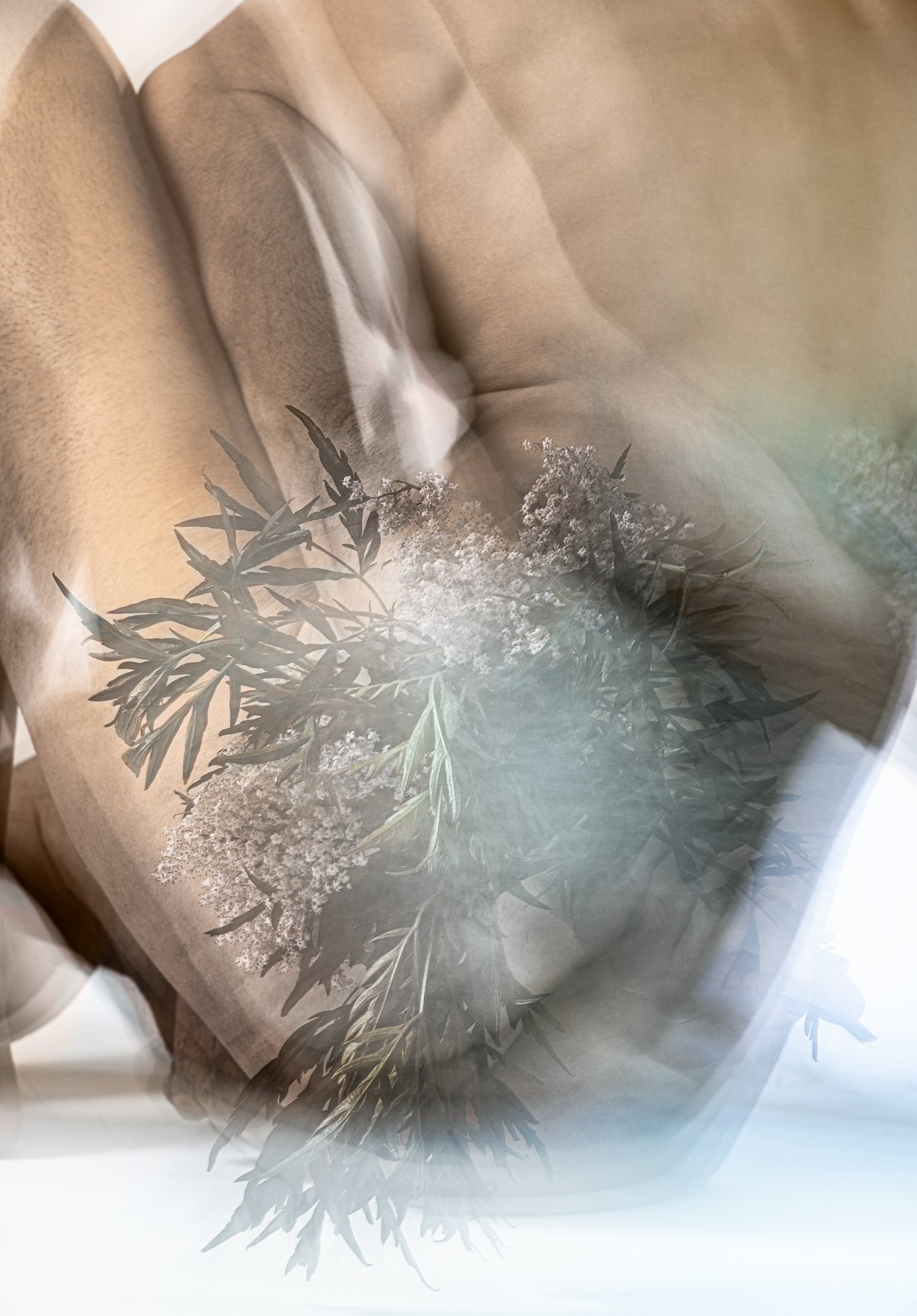
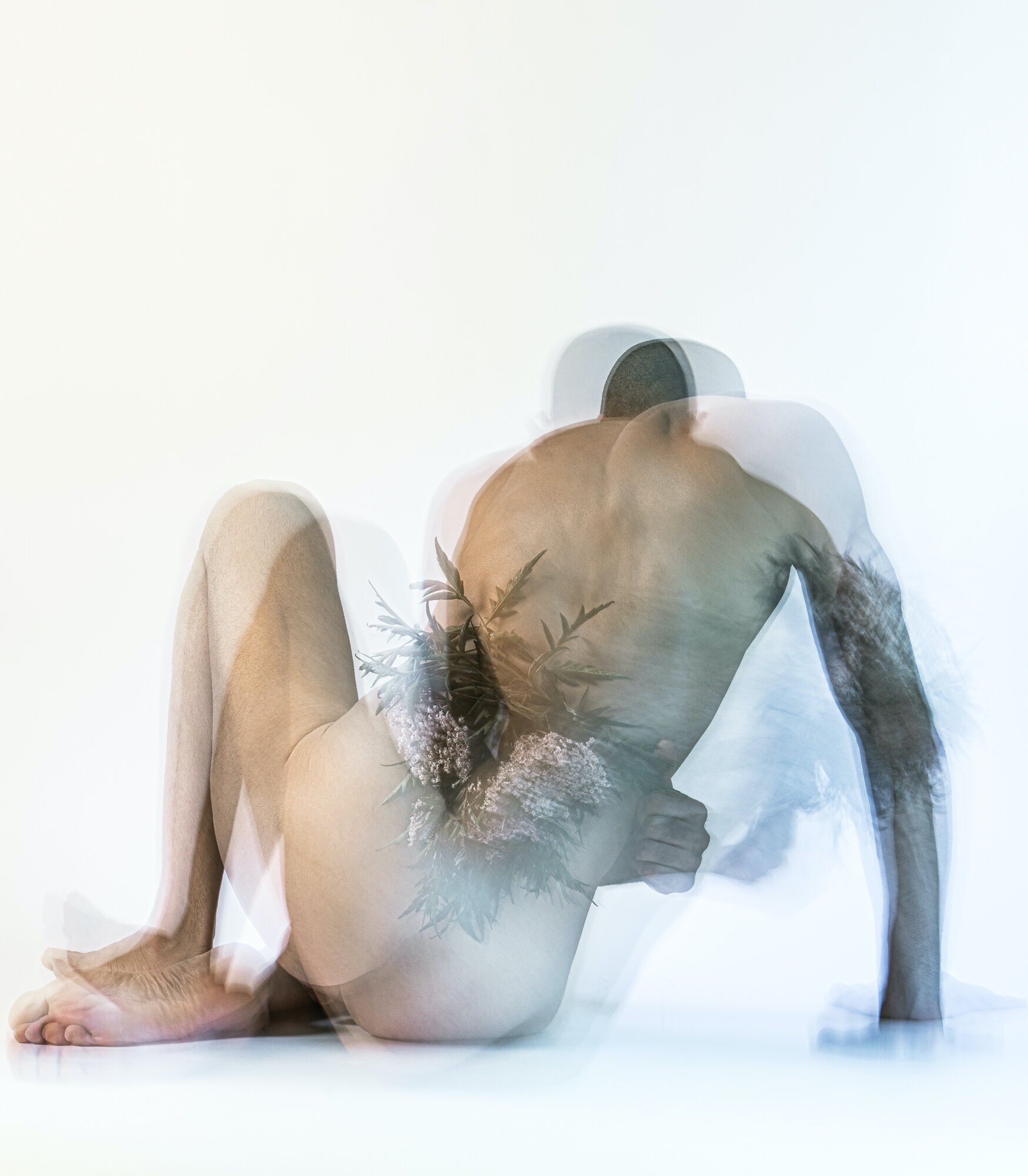
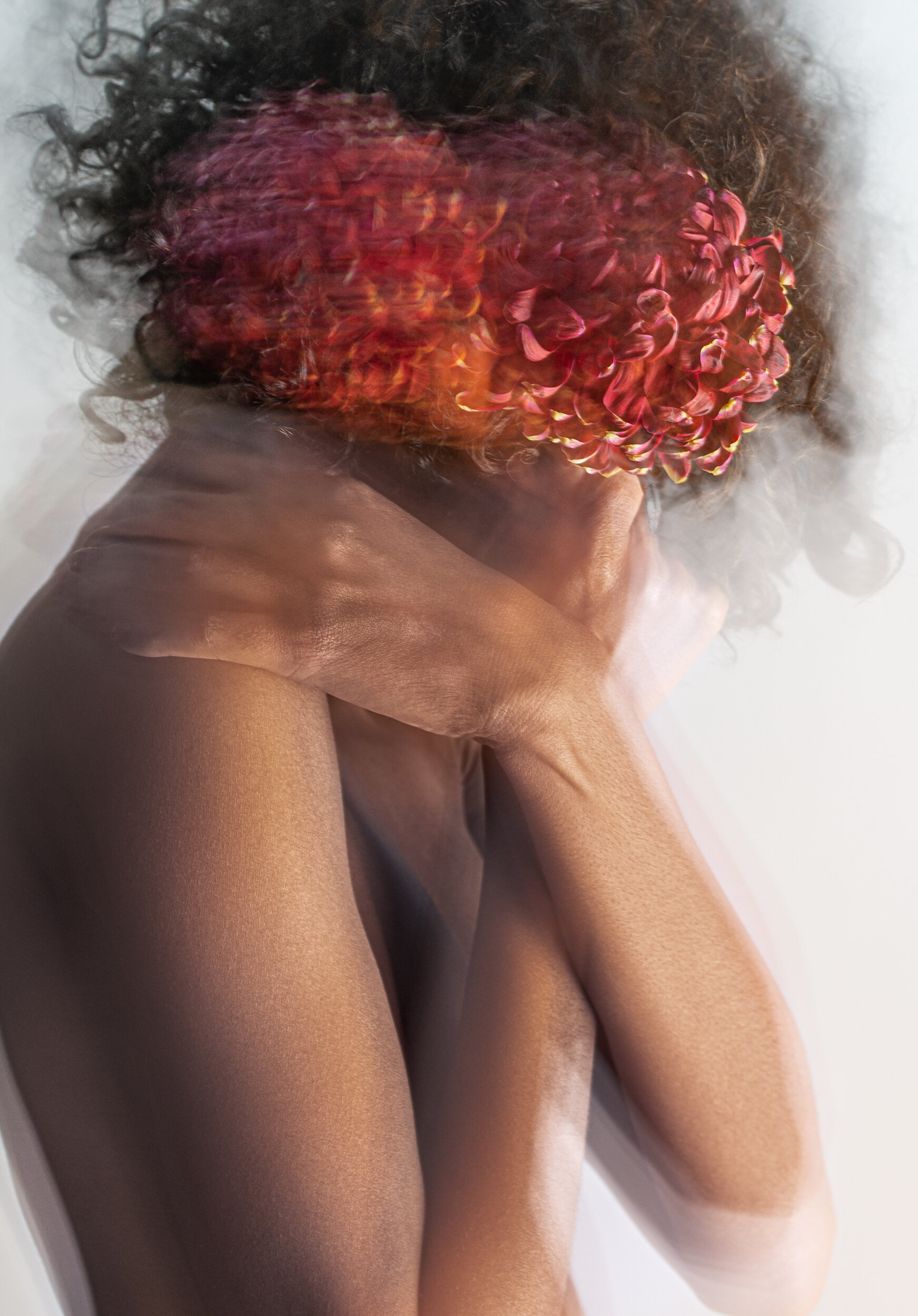
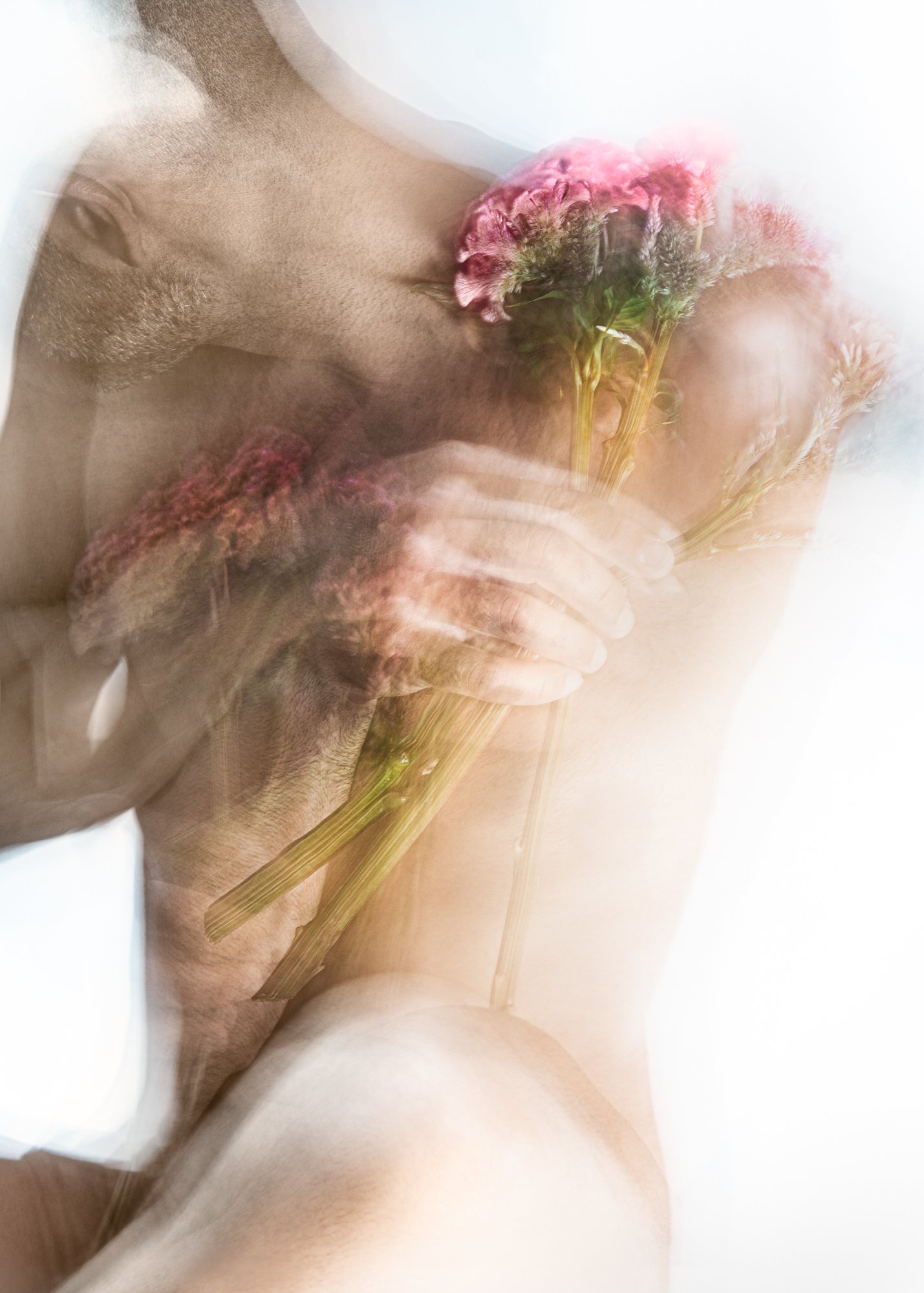
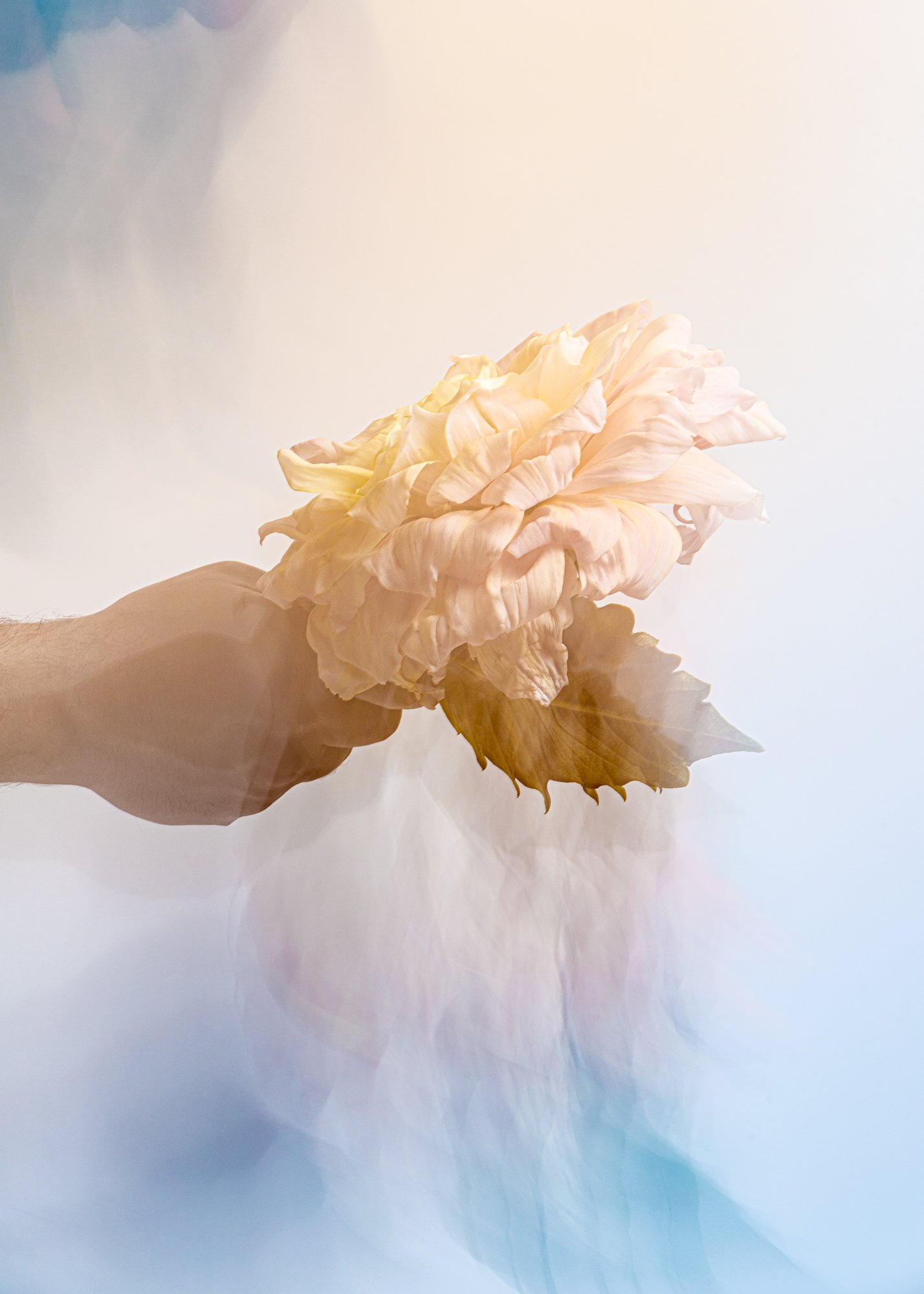
“I am repeatedly drawn to our fragile, tangible bodies - as vessels for, extensions of or obstacles that impact our sense of selfhood. In response to endless images of bodies being commodified and victimized, I seek solace in what remains fundamental - our connection to each other and to the natural world. These relationships supersede all boundaries, borders and divisive ideologies, re-situating humans and nature at the centre of the dialogue.” - Shelagh Howard